Discover fencing advice, outdoor living ideas, and real project insights from the team at CCL Fencing & Outdoors.
CCL Fencing
Many homeowners try to stretch the life of an old fence. It feels normal. You look at a leaning post and think it might hold up one more year. Then another storm hits, or a board snaps, and the cycle starts again. There comes a point where patching things no longer helps. The trick is knowing when you’ve reached that point. While each yard has its own story, some patterns appear again and again. A fence usually gives small warnings before it fails. This guide looks at common signs your fence is past its best days. It draws on long‑standing debates about when repair is enough and when replacement protects your yard better. You may see your own fence in some of these examples.
The signs your fence is on its last stretch
It helps to break the clues into simple checks. Some issues can be fixed, but others point to deeper trouble.
1. Wood rot keeps coming back
Rot tends to grow in shaded or damp spots. If you keep sanding and treating the same areas, it may mean the structure under the surface has weakened. Over time, rot spreads in ways you can’t see, and repairs only cover a small patch.
2. Boards twist or warp
Wood moves with heat, cold, and rain. A little bend is normal. Wide twists, large gaps, or boards pulling away from rails show the fence has lost its shape. When the frame can’t hold boards flat, the whole line starts to wobble.
3. Posts move when you push them
A stable fence starts with solid posts. Try a light push. If a post shifts, the soil, the base, or the post itself may be worn down. One loose post may be fine to reset. Many loose posts hint that the fence is tired from years of storms and soil changes.
4. The fence leans more each season
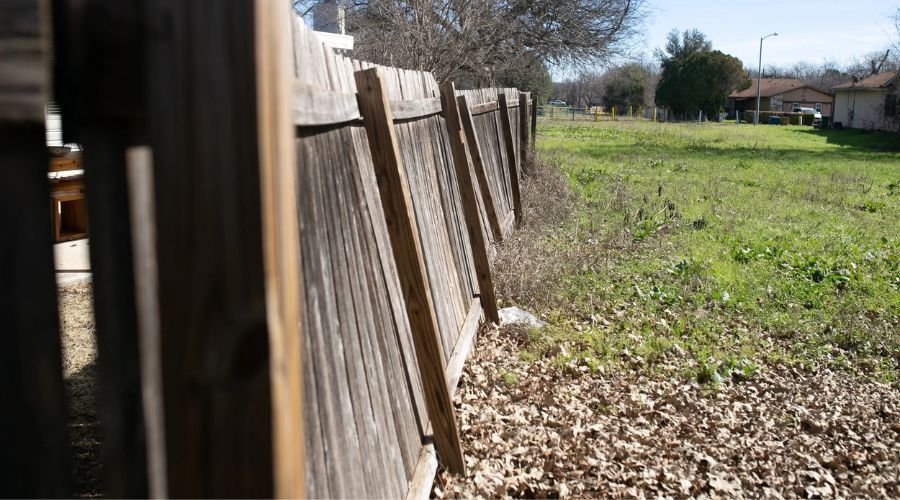
A slight lean can be fixed. A strong lean often means the core support has failed. You might also see pressure from tree roots or old hardware rusting away. When a lean grows fast, the fence may not stand up to the next heavy wind.
5. Damage keeps spreading
If you keep replacing single boards, yet new breaks show up, the issue may be structural. This is a common point in the larger debate about repair vs replacement. Some homeowners keep fixing the surface while hidden damage grows underneath.
Quick look: repair or replace?

Here’s a simple table to help you think through both options.
| Issue | Repair is fine | Replace is better |
|---|---|---|
| One or two damaged boards | Yes | No |
| Several leaning posts | Maybe | Yes |
| Rot in many spots | No | Yes |
| Rusted or failing hardware | Maybe | Yes if widespread |
| Fence over 15 years old | Depends | Often yes |
This isn’t a strict rulebook. It’s more of a guide to help you weigh the pattern you see in your own yard.
A closer look at long‑term aging
Fences age in ways shaped by weather, soil, and materials. In Springfield, Missouri, strong storms, wide temperature swings, and steady moisture all play a part. These forces slowly wear down
wood,
vinyl, and
metal. Some homeowners argue that constant upkeep can stretch a fence’s life. Others point out that repairs take time and may not solve deeper structural problems. Both views have some truth. What seems clear is that a fence only performs well when the core stays strong.
What time does to the structure
Over the years, posts sink, rails loosen, and boards dry out. Termites can hollow out wood from inside. Rust may spread through metal parts. At a glance, the fence may look fine. A closer check may tell a different story.
Here are some issues that often show up in older fences:
• Cracked rails holding weak weight
• Gaps that grow wider after storms
• Boards that won’t stay nailed in
• Posts that sink deeper into soft soil
• Sudden breaks from mild pressure
Each issue on its own might not seem like much. But when several appear at once, the fence may have reached its limit.
When safety enters the picture
A worn fence can become more than an eyesore. It might fall, injure someone, or let pets slip out of the yard. Safety often becomes the turning point. If you feel unsure every time the wind picks up, the fence may not be worth saving. Some homeowners notice a slow drop in privacy too. Warped boards open gaps, and leaning posts tilt the whole line. Small changes add up, and the yard no longer feels private.
A short list to check your fence today
If you want to take a quick look at your own fence, try this list:
• Push a few posts to see if they move.
• Look for rot at the bottom of boards.
• Check for lines that sag or lean.
• Watch for boards twisting or pulling away.
• Search for termite trails along the base.
• See if repairs keep failing in the same spots.
These small checks may help you decide what to do next.
Frequently Asked Questions
How do I know if my fence is beyond repair?
If you see several issues at once like rot, leaning posts, and spreading cracks, it may be past repair. A trained contractor can confirm it with a closer look.
Can I keep fixing a fence that leans?
You can fix small leans. But if the lean grows or more posts shift, a replacement often gives a stronger and safer result.
Does a new fence improve yard appeal?
Most homeowners say yes. A clean and straight fence often makes the yard look better and feel safer.
Ready for a safer and cleaner yard?
If you think your fence has seen better days, CCL Fencing and Outdoors can help. Our team knows how to check the real condition of your fence and guide you toward the best option. Whether your fence needs a fresh start or a full replacement, we can handle the work with care.
Contact CCL Fencing and Outdoors today to schedule a simple inspection and bring your yard back to shape.