Discover fencing advice, outdoor living ideas, and real project insights from the team at CCL Fencing & Outdoors.
CCL Fencing
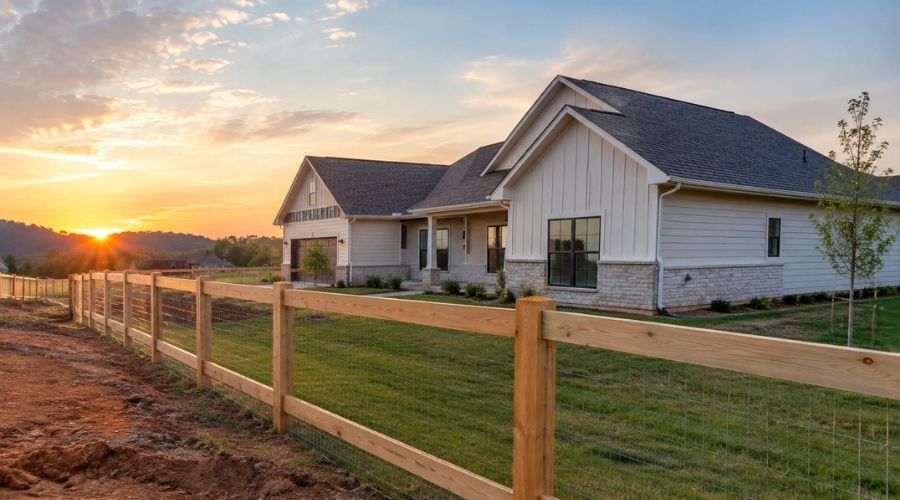
Building a new fence in Springfield MO comes with a distinct set of challenges. You get rolling hills, beautiful trees, and great neighborhoods. But right beneath your grass lies some of the toughest dirt in the state. If you live in Nixa, Ozark, or near Branson, you know this ground very well. One minute your shovel cuts through thick red clay. The next minute you hit a solid chunk of Ozark rock.
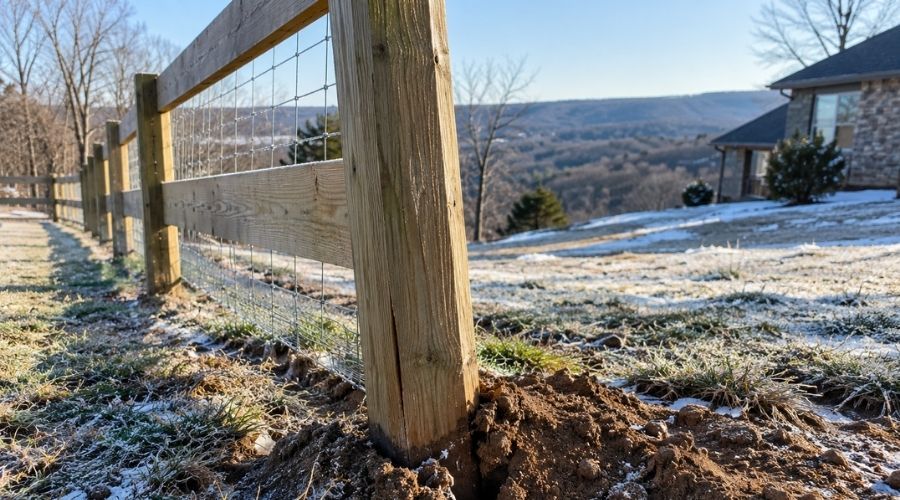
Setting posts in this dirt takes real muscle and local knowledge. Cold winters bring wet ground that freezes solid. When that water freezes, it expands and pushes shallow posts right up out of the earth. Flimsy wood posts rot in wet clay or snap during severe storms. At CCL Fencing & Outdoors, our Springfield Missouri fence company builds residential fencing meant to last. Here is everything you need to know about setting posts in local stone.
Why Ozark Dirt Destroys Cheap Fences
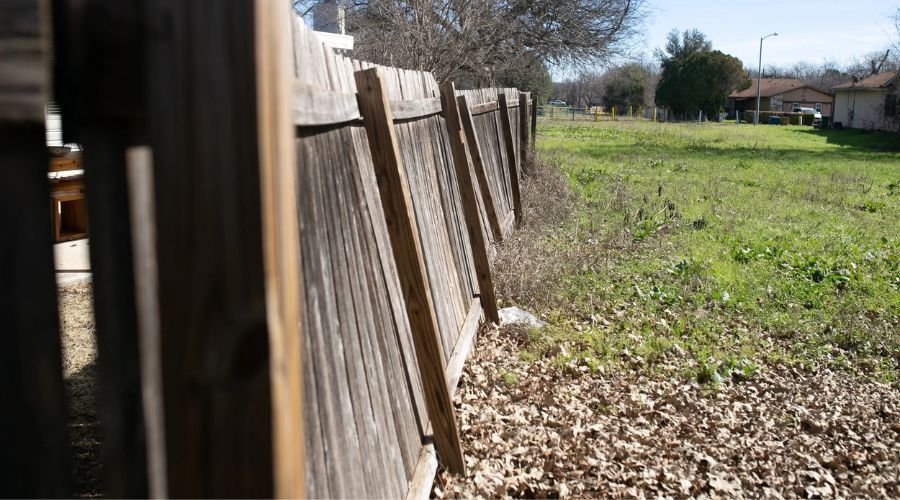
Many homeowners ask why fences in southwest Missouri start leaning after just two or three years. The main cause is poor post setting. Local topsoil is full of heavy red clay that holds water like a sponge. When heavy rain hits our region, that clay swells up. During cold winter spells, that trapped water turns into ice. This movement creates a force called post heave. Post heave lifts shallow concrete bases right out of the dirt.
Cheap contractors often take shortcuts to speed up their work day. They dig small holes only 18 inches deep because digging through rock is hard work. They fill the hole with loose dirt or thin concrete patches. When spring rolls around, those shallow posts tilt sideways. We avoid these problems by using thick steel post systems. Steel does not absorb moisture, and it stands firm when the ground moves around it.
Navigating Local Rules and Property Lines
Before anyone digs a single hole, you must plan your fence layout carefully. Property lines can be tricky on hilly Ozark land. Always locate your exact boundaries so you do not build on your neighbor’s yard.
Local zoning laws also affect how and where you can build. You must follow the official Springfield fence guidelines. For instance, tall privacy fences are usually not allowed in front yards. Corner lots often have strict rules to keep street views clear for drivers. You should also check standard rules under the Missouri fence law to understand shared boundary rules. Taking time to review these details saves you money and prevents costly disputes.
Tools Needed for Soil Excavation in Stone

You cannot dig post holes in our region with a basic hand shovel. Clearing deep holes through layers of limestone takes heavy tools and patience. Here are the core tools required for proper soil excavation in local yards:
- Heavy digging bar: A solid steel bar breaks up dense limestone and thick rock ledges.
- Rock chisel: This manual tool helps chip away large boulders stuck in the hole.
- Gas power auger: A strong motor turns a spiral bit to clear loose red clay and gravel.
- Clamshell digger: Double scoops pull loose stone pieces out from the bottom of the hole.
- Steel post anchors: Metal brackets help secure posts directly into flat rock beds.
- Sledgehammer: A heavy hammer drives steel post bases straight down into small stone cracks.
Step-by-Step Guide to Setting Fence Posts
Building a long-lasting wood fencing project requires precise work from start to finish. Skipping steps early in the process creates big problems down the road.
Step 1: Mark and Clear Your Line
Start by running a tight string along your property line. Mark each post spot with bright spray paint. Keep posts spaced evenly, usually six to eight feet apart. Clear away brush, roots, and loose rocks from your path.
Step 2: Dig Past the Frost Line
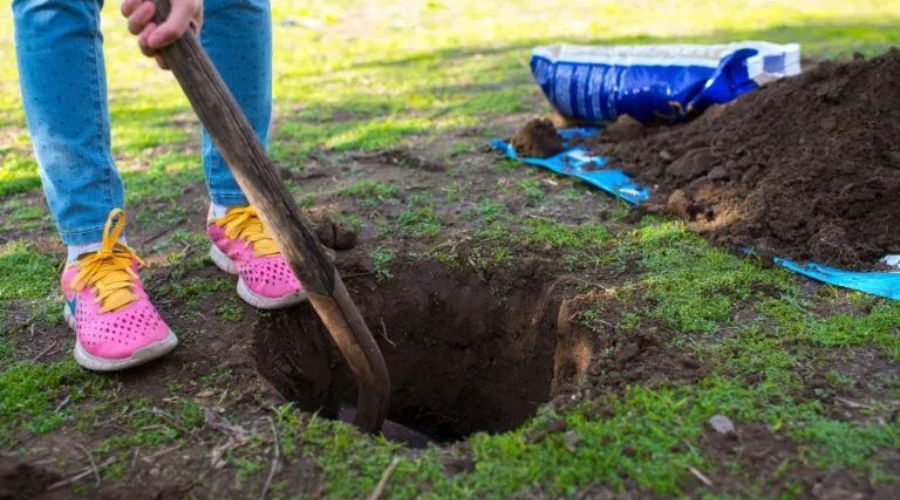
Start digging at your marked spots. Use your power auger for topsoil and switch to your steel digging bar when you strike rock. You need to reach a depth below the local frost line. Digging deep stops winter frost from lifting your posts out of the ground. If you hit a massive boulder, chip away at it until your post can sit at the correct depth.
Step 3: Mix and Pour Concrete Footings
Set your post directly in the center of the hole. Use a carpenter's level to make sure the post stands straight on all sides. Pour mixed concrete into the hole around the post. Tamp the wet concrete down to push out trapped air bubbles. Shape the top of the concrete so water drains away from the post base. Let the concrete cure completely before attaching fence panels.
Comparing Post Setting Methods
Choosing the right method for your yard depends on your exact dirt and budget. Here is how common setting methods compare in local soil.
| Method | Dirt Type | Durability | Freeze Resistance |
|---|---|---|---|
| Direct Dirt Fill | Soft Topsoil | Poor | Low |
| Basic Concrete | Clay & Gravel | Fair | Medium |
| Steel Frame & Concrete | Ozark Rock | Excellent | High |
Direct dirt fill fails fast in wet red clay. Basic concrete works okay in dirt with light gravel, but heavy rocks can crack shallow bases. Using steel frame posts set deep in concrete gives you maximum strength against freeze cycles and high winds.
Stopping Sagging Gates on Hilly Yards
Gate repairs are easily the most common call we get from local homeowners. Hilly yards in Springfield MO and Nixa put extra stress on gate hardware. Standard wooden gate frames absorb rainwater, grow heavy, and pull away from their hinge posts. When the ground underneath shifts, the gate drags along the grass or refuses to latch properly.
We solve this issue by building every gate with a steel frame gate system. A steel frame keeps its shape no matter how much rain falls. It will not warp, twist, or sag over time. Pairing a steel frame gate with strong steel posts keeps your entryway swinging smoothly for years.
Preparing Your Yard for the Summer Season
Summer is the most popular time for outdoor projects in southwest Missouri. Families want safe spaces for pets to run and children to play. Getting your fence built early in the season lets you enjoy your yard all summer long. Planning ahead also helps you avoid long wait times during busy construction months.
Frequently Asked Questions
How deep should fence posts go in Springfield MO?
Posts should go down past the frost line. Digging deep protects your fence from post heave caused by winter freezes.
Can you build a straight fence on steep hills?
Yes, you can build a stepped fence or a sloped fence. Stepping panels keeps the top clean while closing gaps along uneven ground.
Why do cheap wooden posts rot so quickly?
Red clay traps water around post bases. Uncoated wood absorbs that water and rots quickly without proper drainage and solid concrete bases.
Strong Custom Fences Built for the Ozarks
You do not have to break your back fighting rocky dirt and thick red clay. Our experienced team brings the right heavy machinery and steel materials to handle any yard in Springfield MO. We build strong fences that stand tall through hot summers and icy winters.
We offer complete professional fence installation to build beautiful, secure boundaries for your yard. Looking for a specialized design to match your property line? Explore our custom fencing solutions to get a layout tailored to your home. You can also visit our Springfield Missouri fence company page to contact our local crew directly. Call us today to get your free estimate and start your outdoor project!